Our agrivoltaic solutions
Our agrivoltaic approach
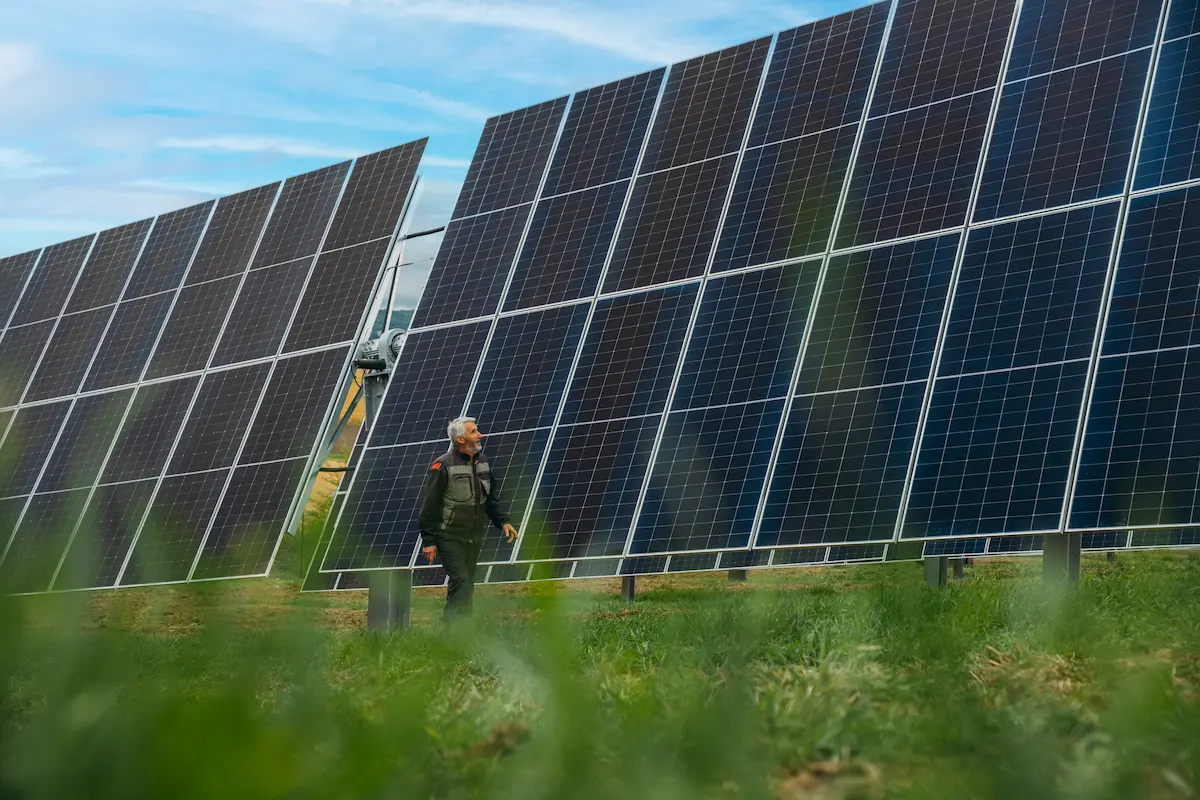
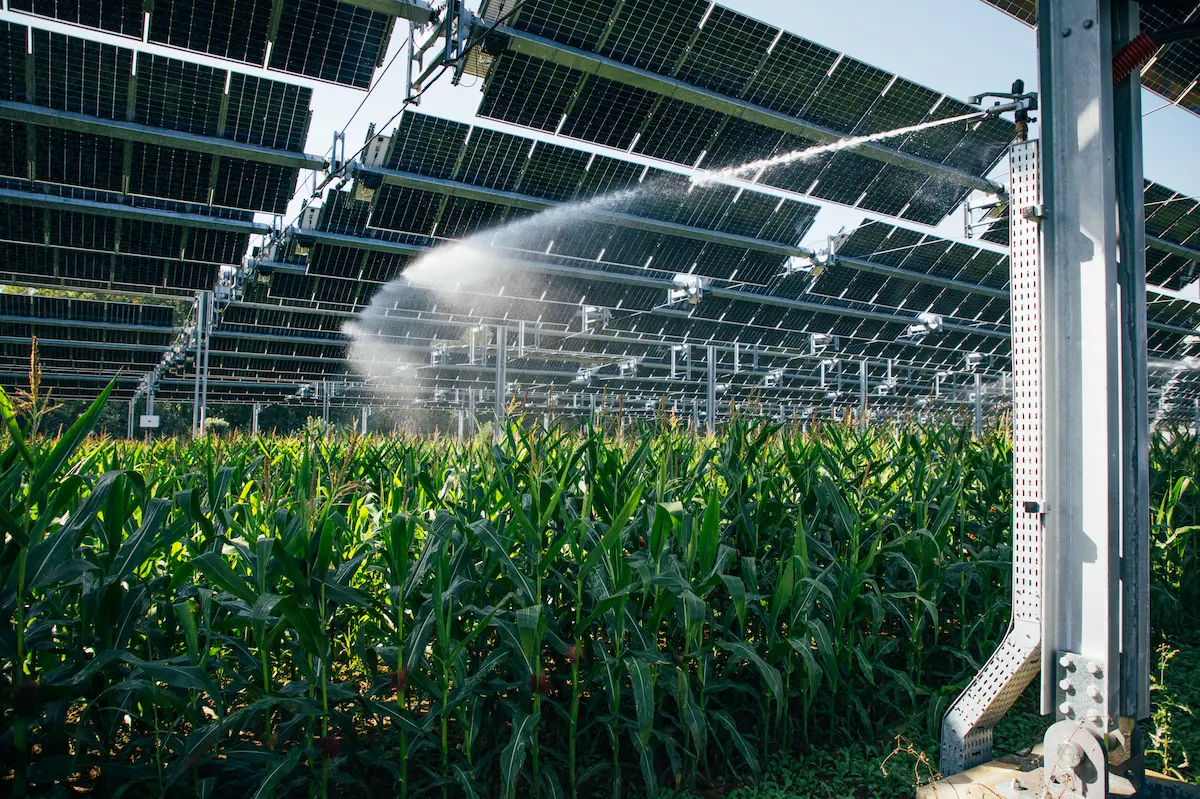
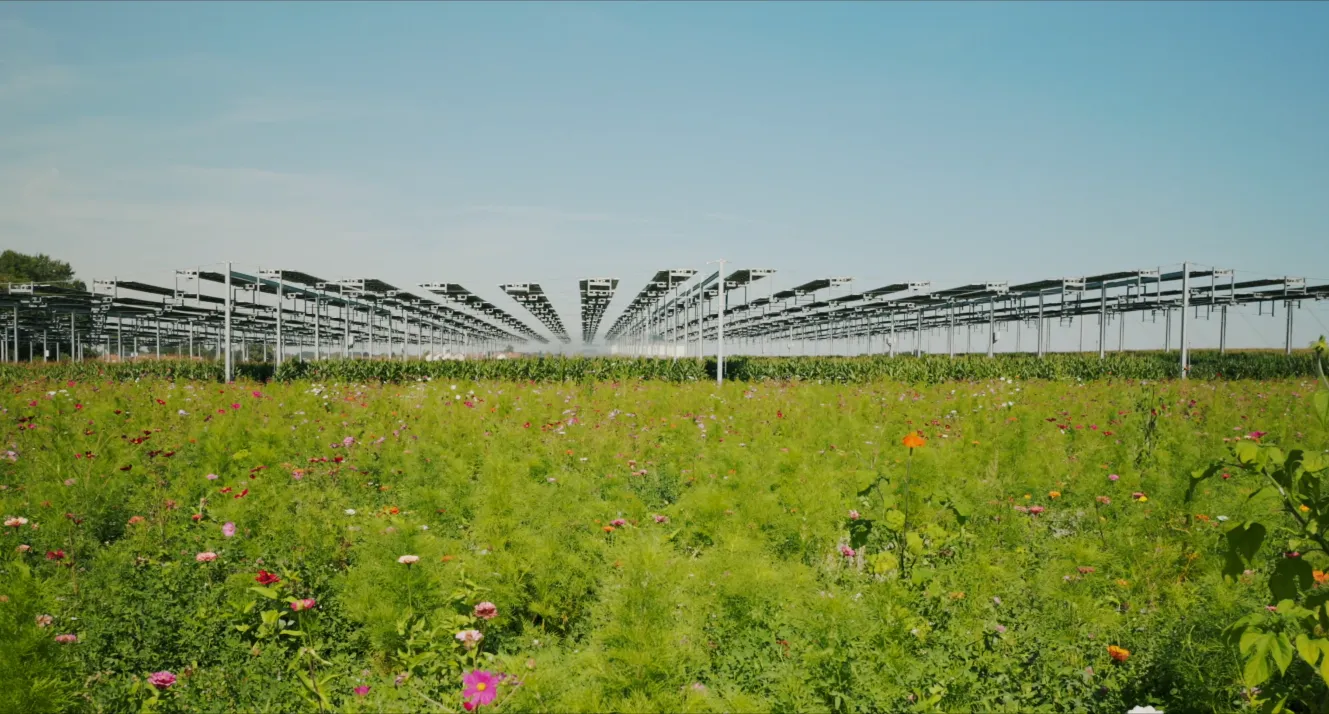
At TSE, we view agrivoltaics first and foremost as an agricultural project that integrates energy production to benefit the farm. We create a true synergy between energy and food production, primarily benefiting agriculture and the farmer’s goals: protecting crops or livestock from adverse weather conditions, preserving land use, generating supplemental income, and producing carbon-free energy at the heart of local communities.
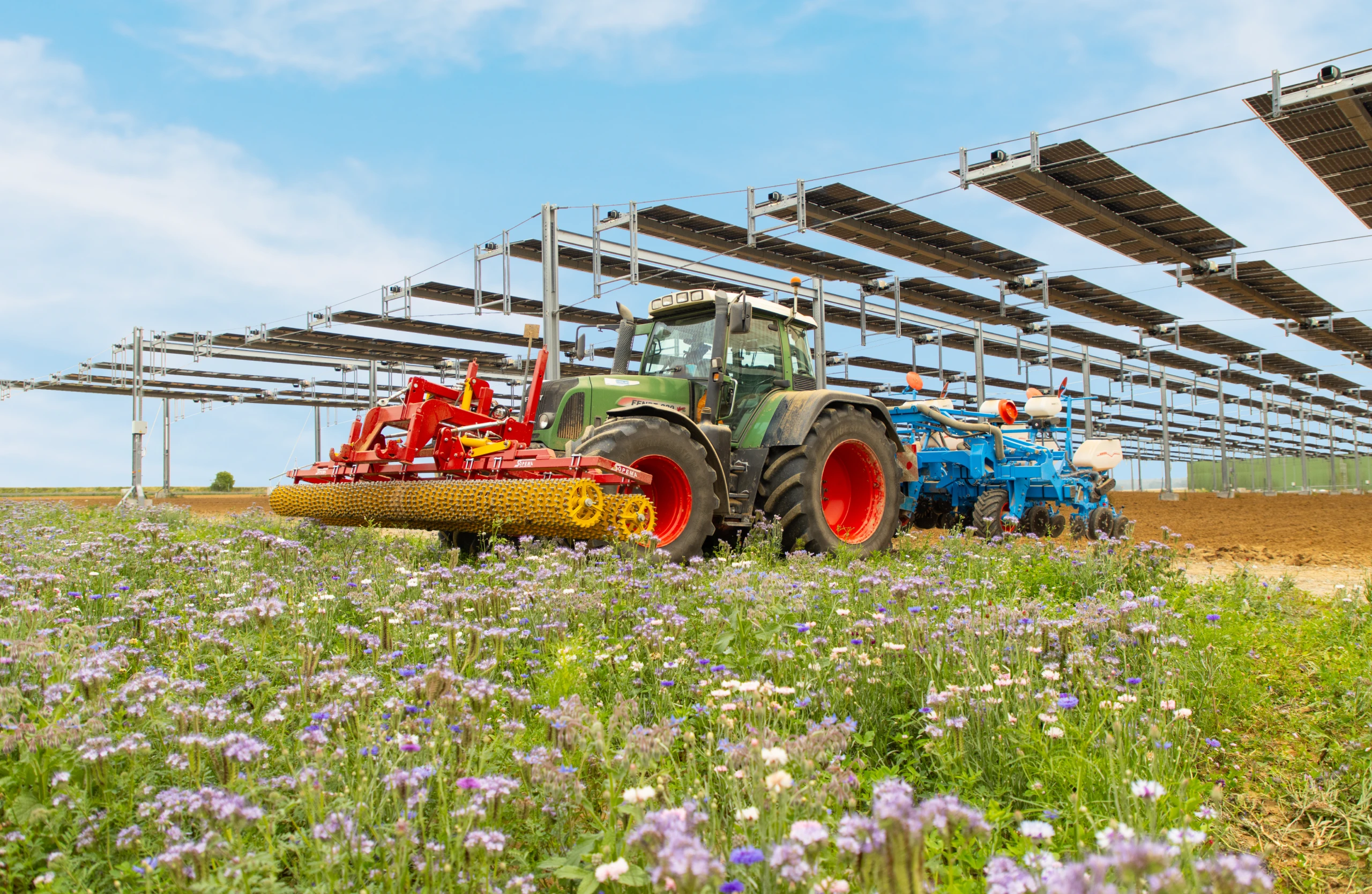
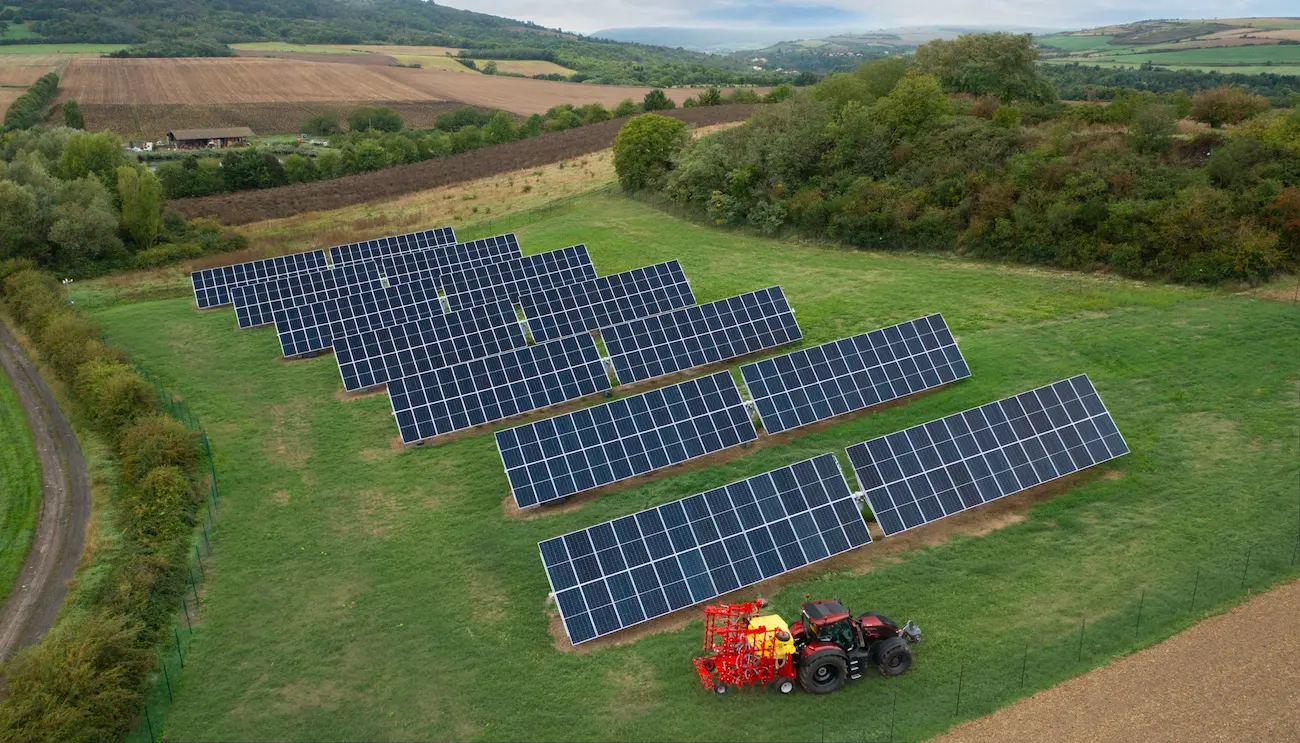
TSE currently operates 9 agrivoltaic power plants. Each project is tailored to agricultural practices, the constraints of the plot, the type of crop or livestock, the local climate, and the farmer’s needs. The solar panels-including their height, orientation, control systems, and footprint-are designed to ensure the continuity of agricultural operations.
By staying ahead of legislation, innovating (the world’s first agricultural canopy and France’s first shade structure), and highlighting the quality of its “custom-designed” solutions developed in collaboration with local stakeholders, TSE has become the benchmark for agrivoltaics in France.
The agronomics benefits of partial and rotating shading

Through its experimental program, TSE conducts reliable agronomic monitoring.
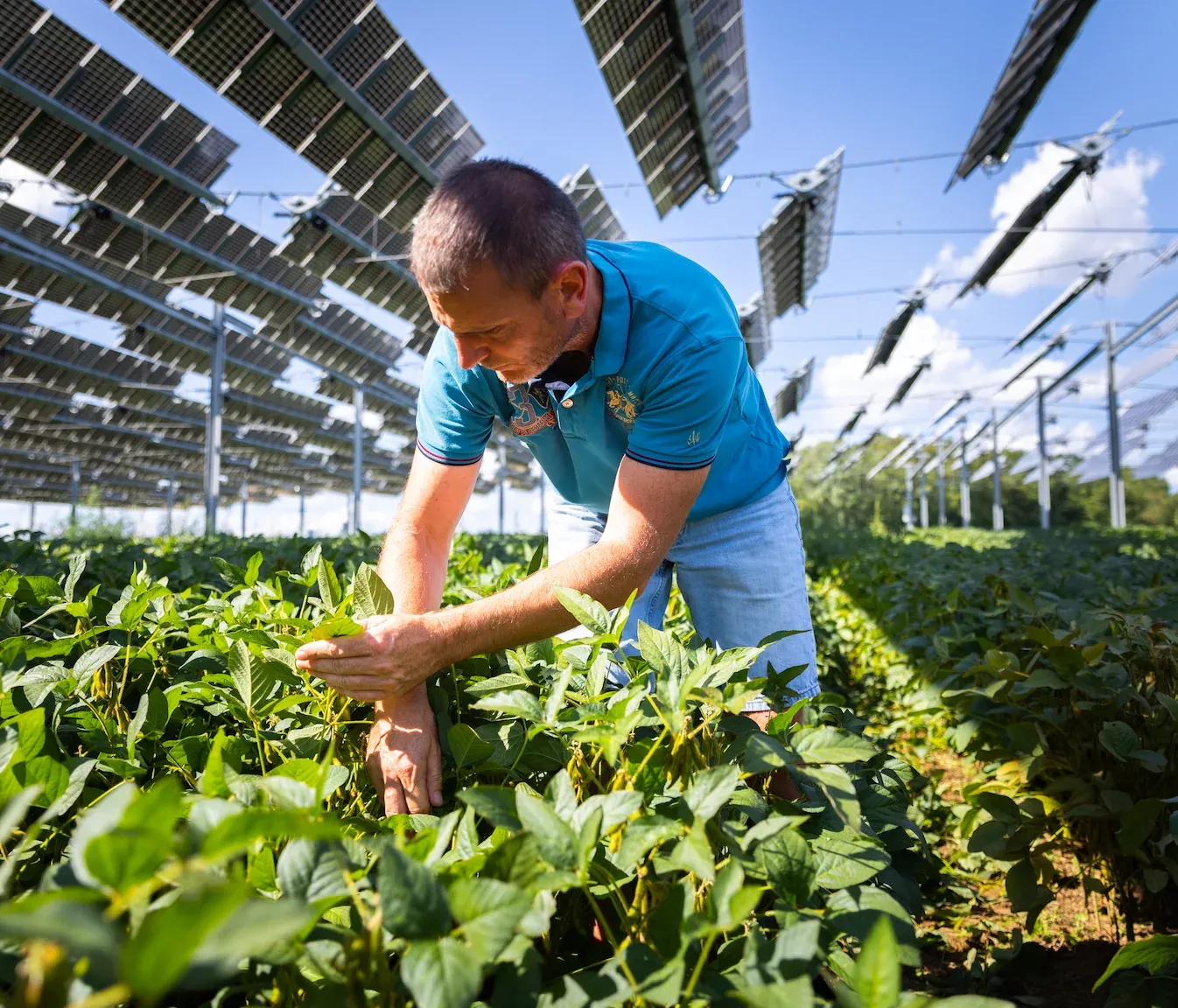
Our experts measure, compare, and discuss the benefits provided by the partial, rotating shade of dynamic agrivoltaics.




Our agrivoltaic solutions

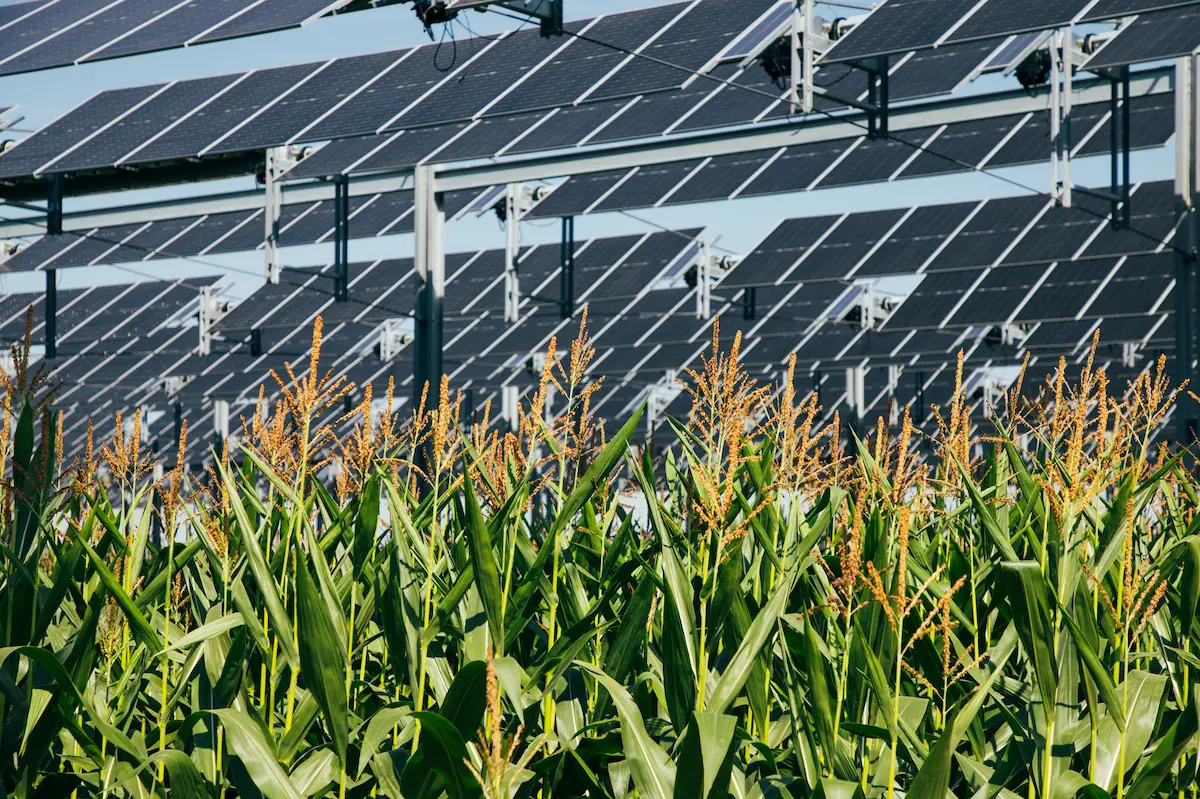
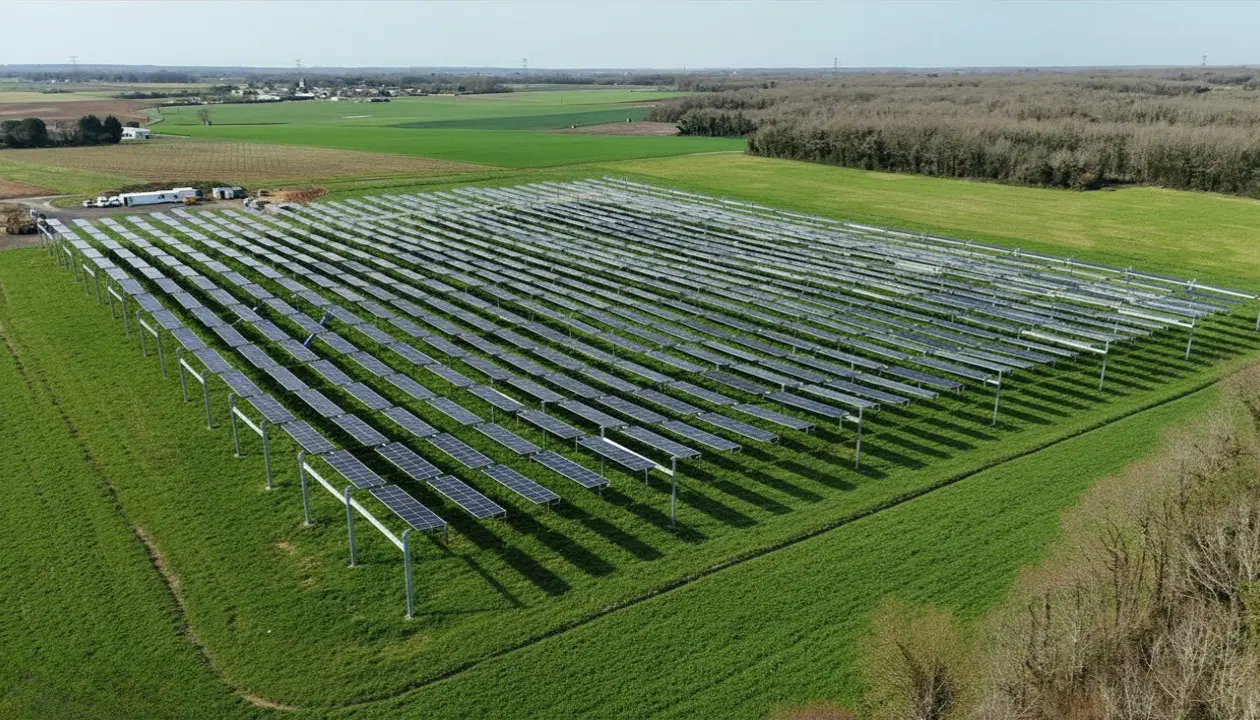
- Solution adapted to all field crops
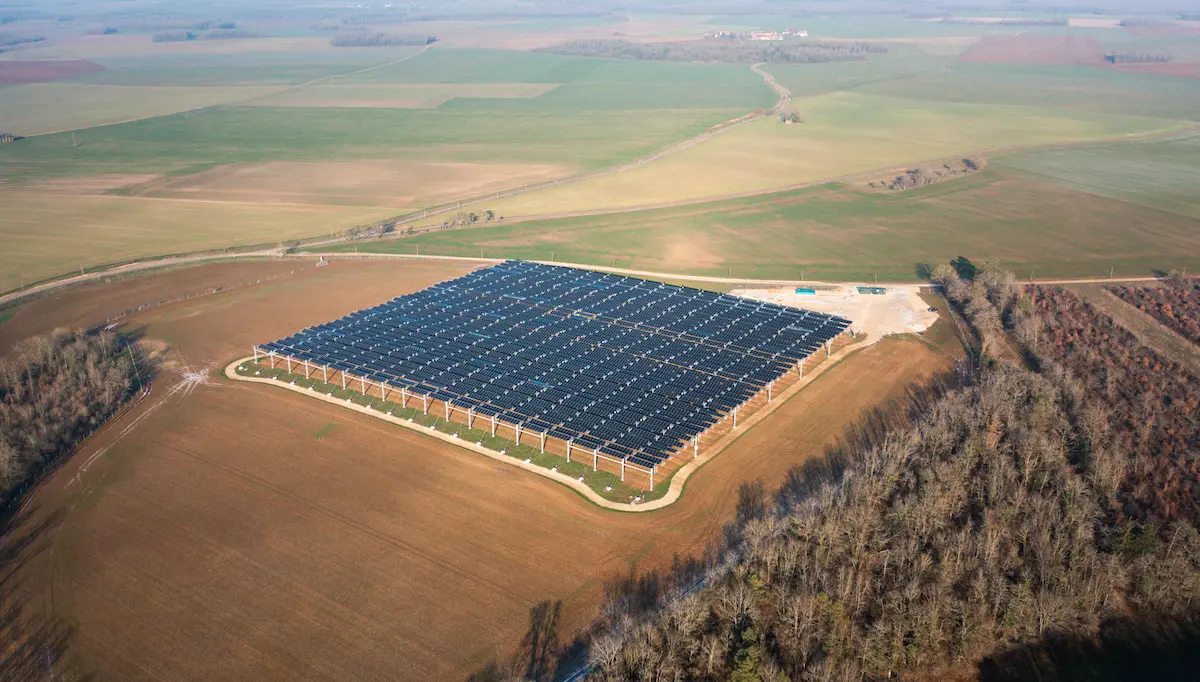
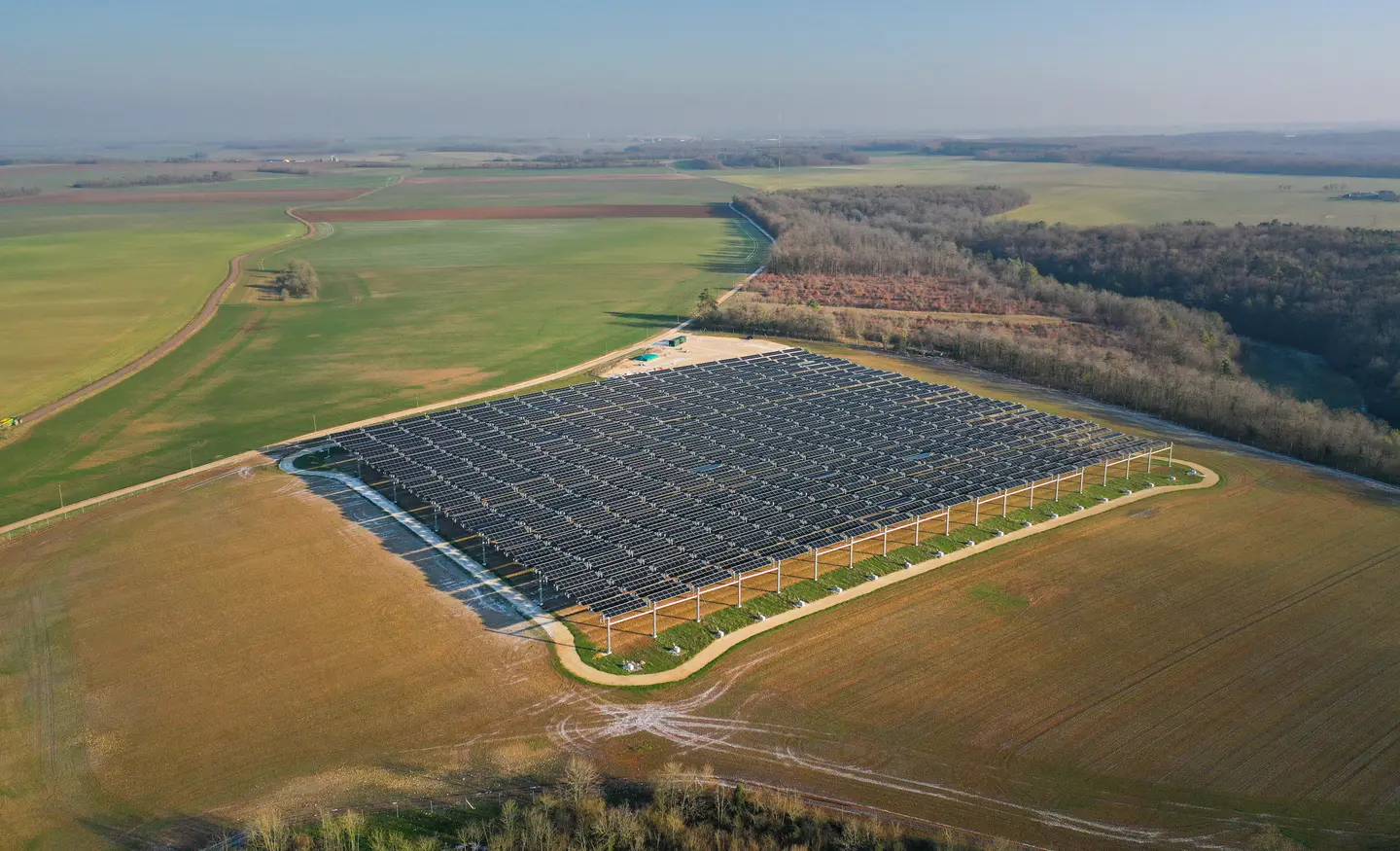
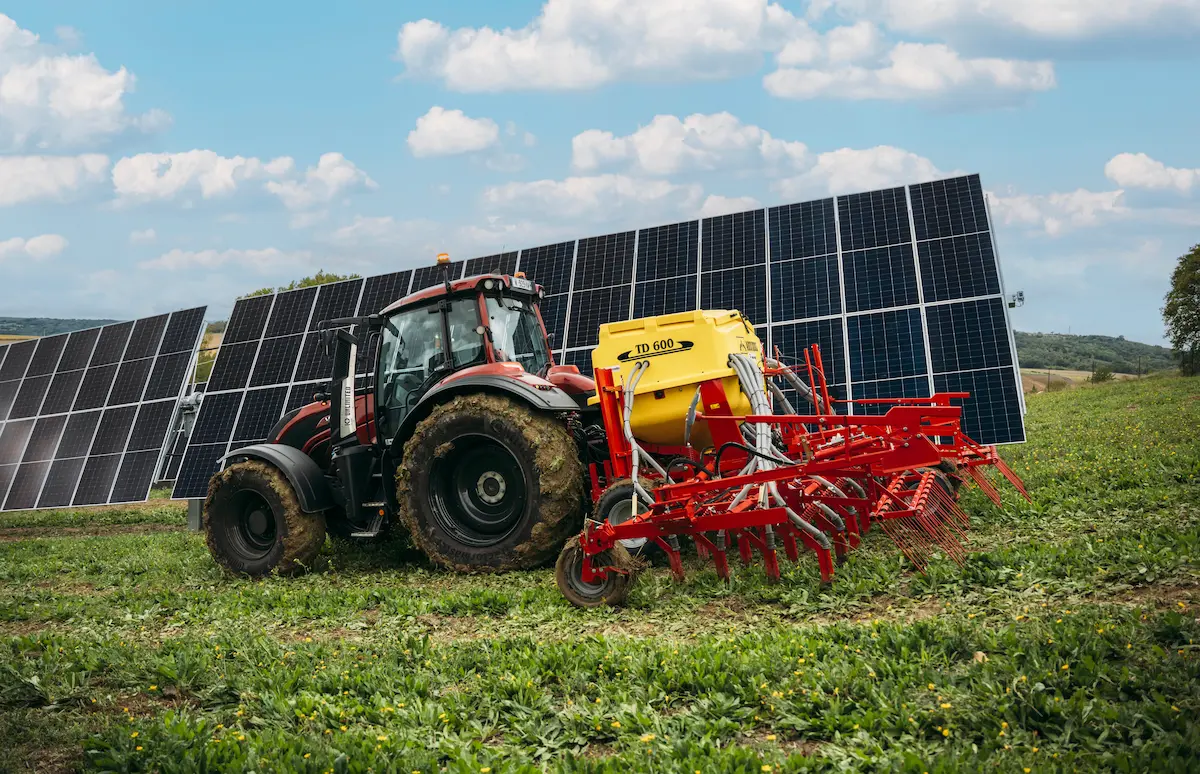
- Structure compatible with agricultural machinery: 5 meters high, 27 meters wide
- Optimized crop protection against climatic hazards
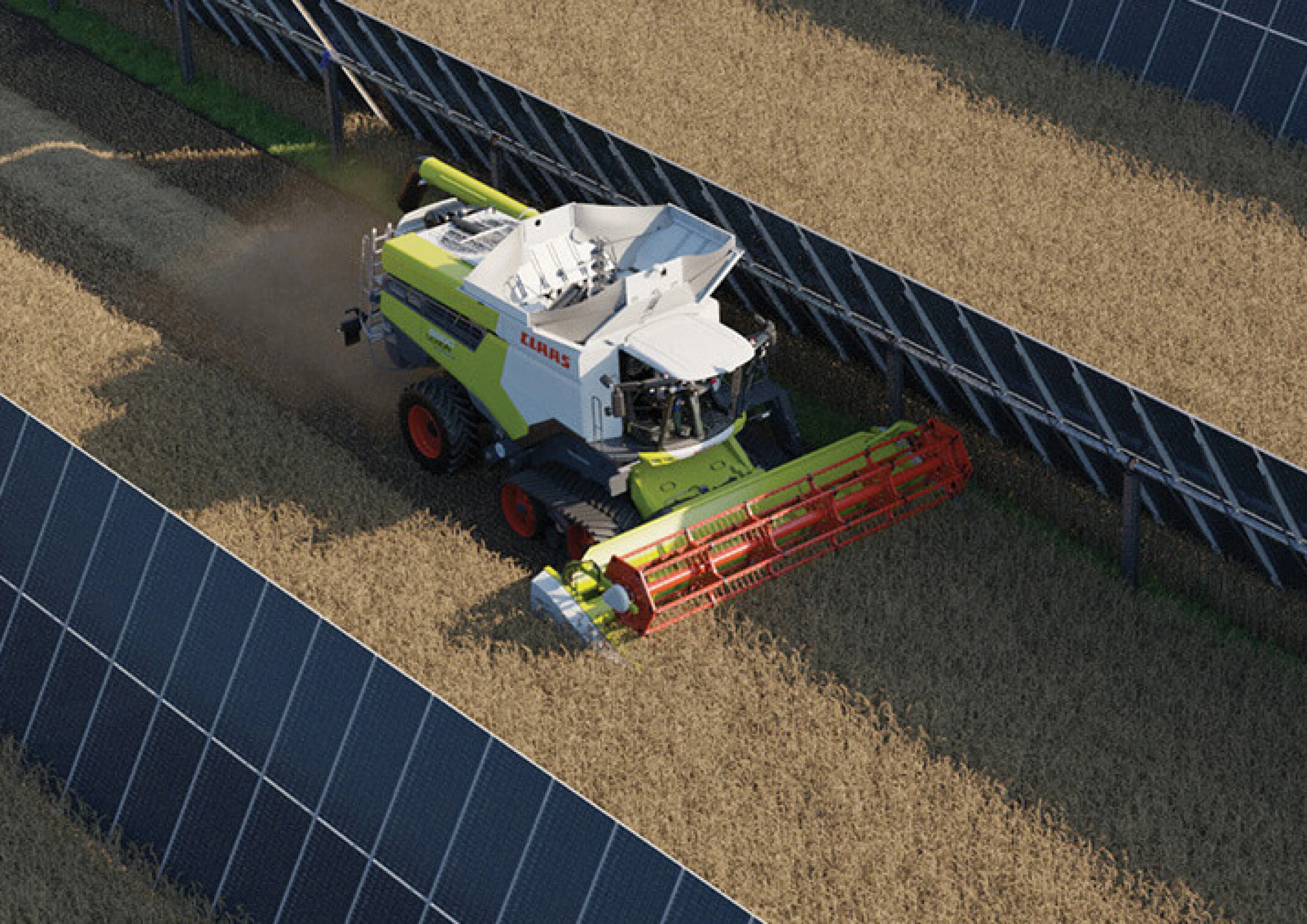
- Solution adapted to field crops
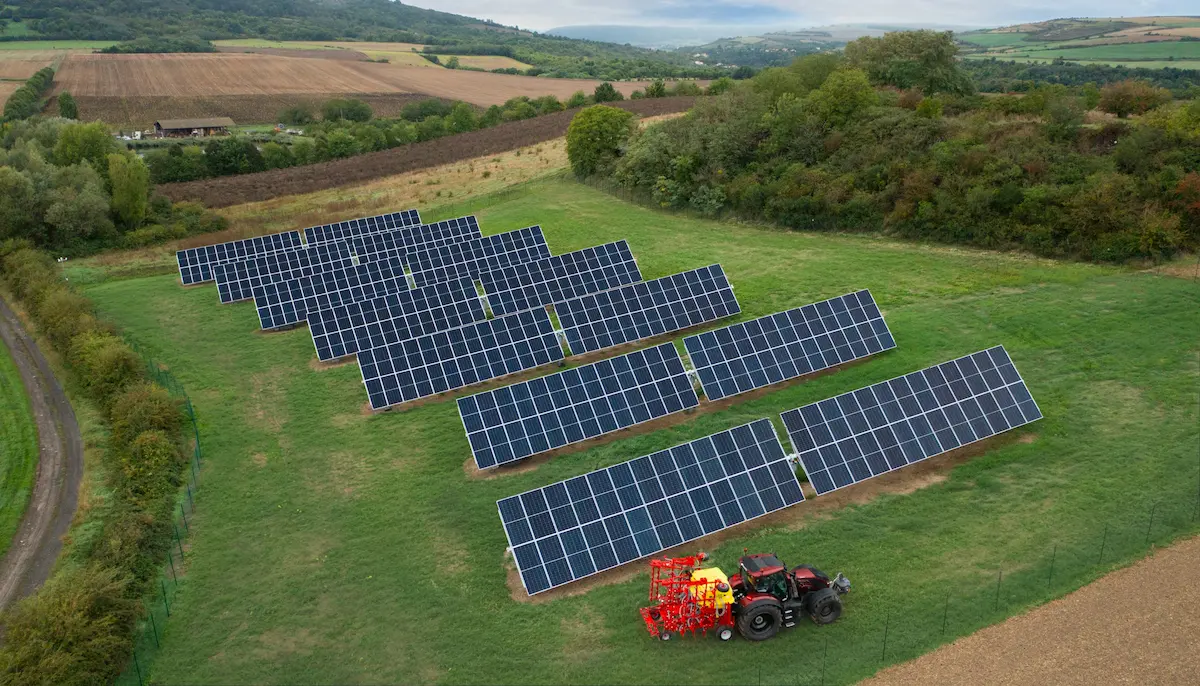
- Flexible layout according to the terrain
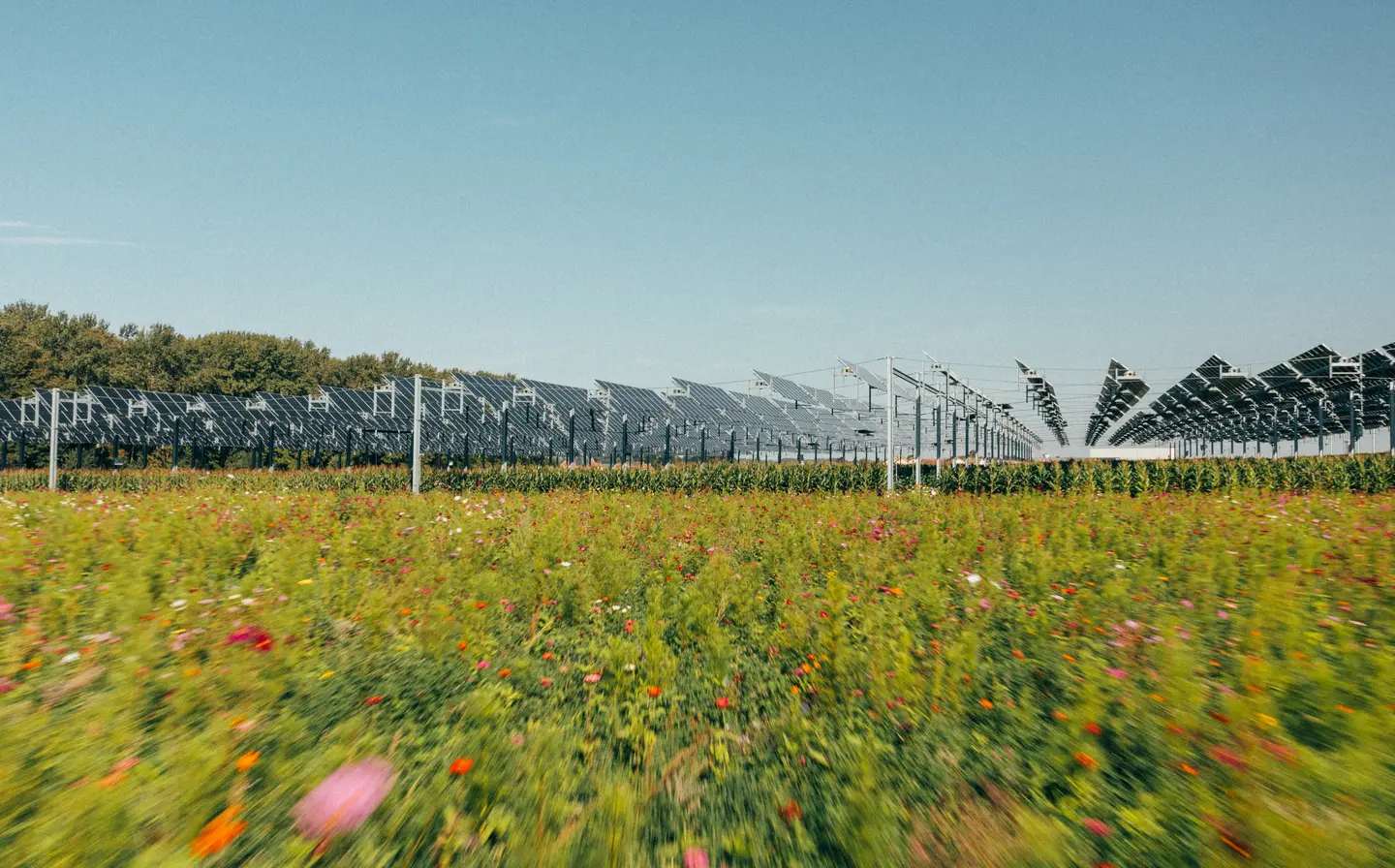
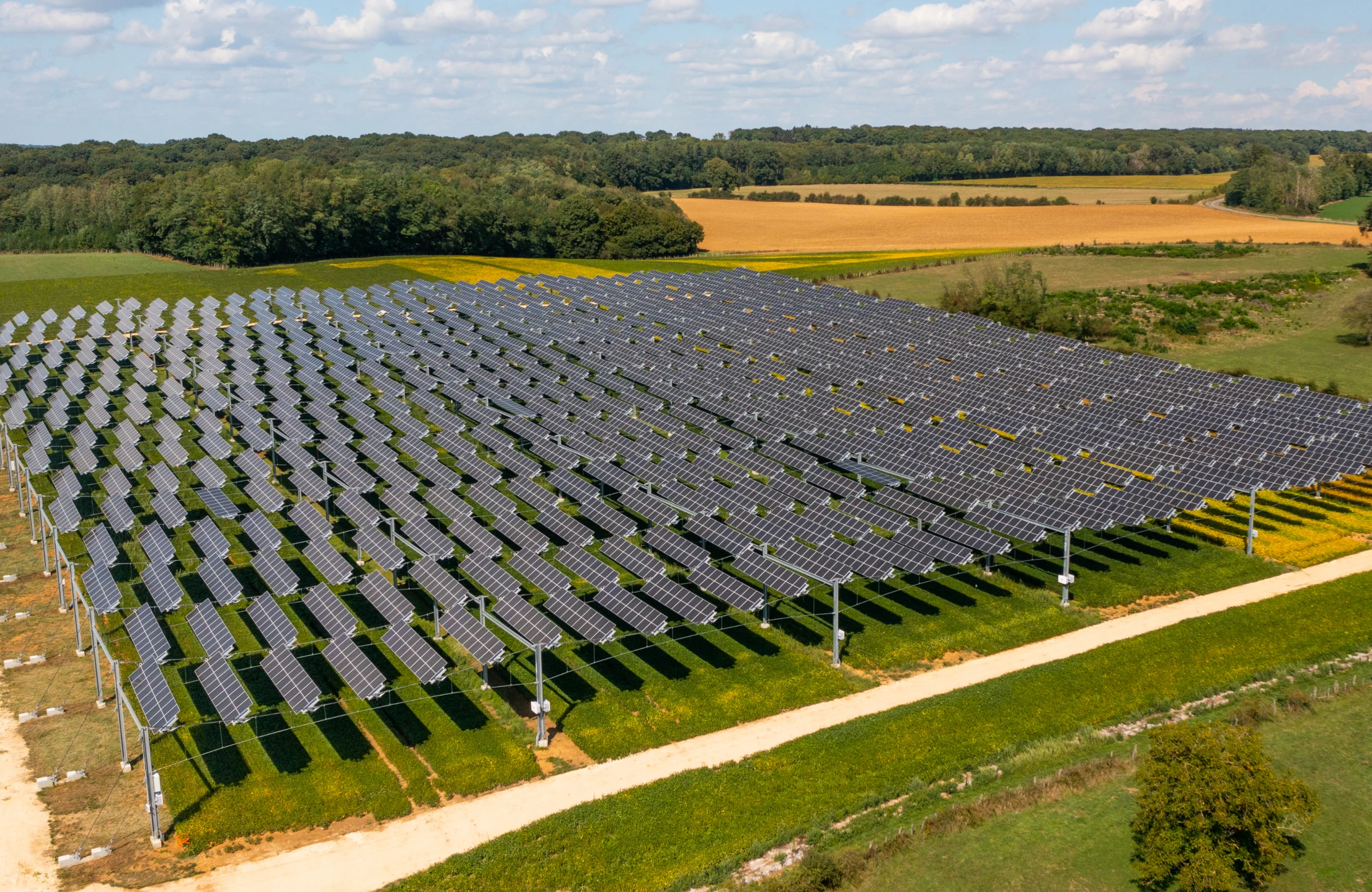
- Intelligent control of solar panels to meet the agro-climatic needs of crops and the needs of the farmer
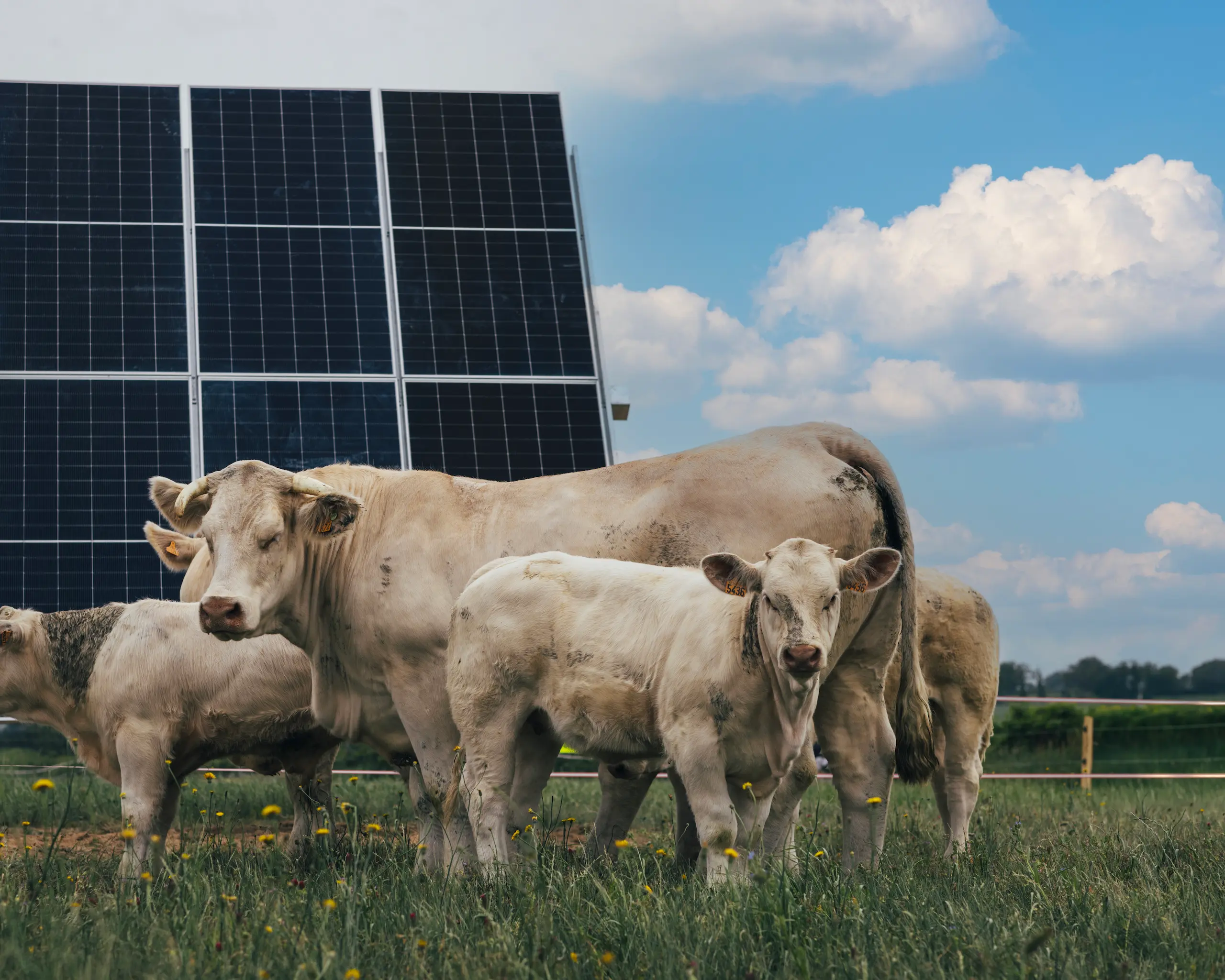
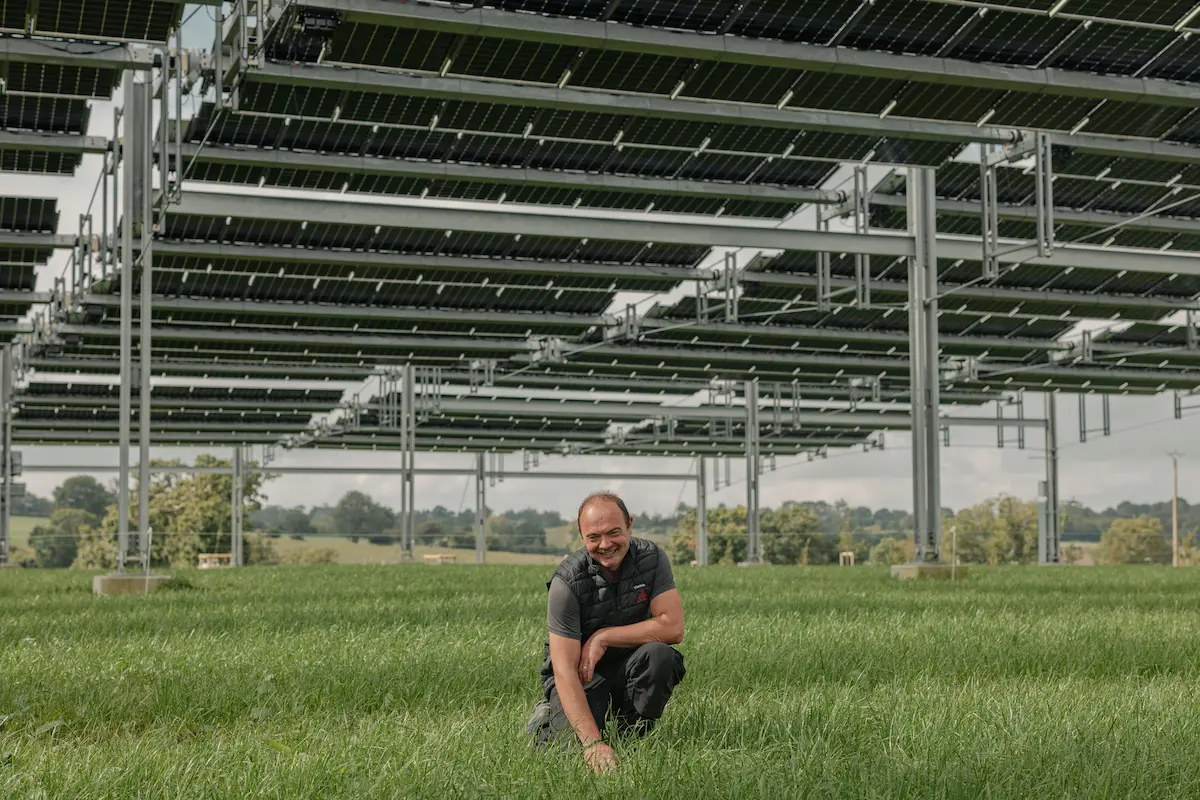
- Solution for cattle, sheep and goat farming with adapted minimum heights under the panels
- Compatible with agricultural machinery: up to 15 meters high
- Improved animal welfare through shading and sheltering under panels
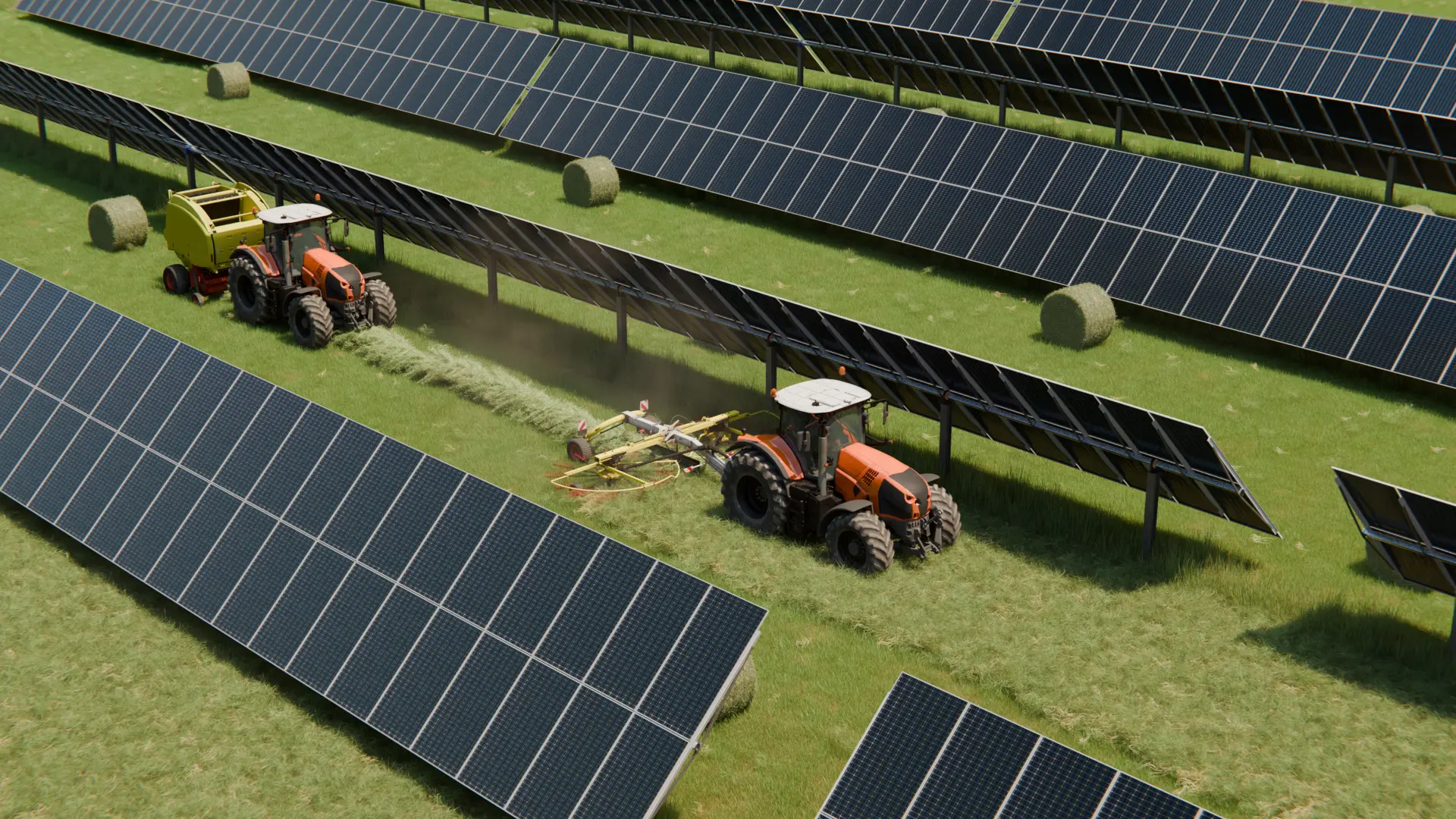
- Solution adapted to livestock and field crops, ideal for temporary grasslands
- Possibility of integrating an irrigation system
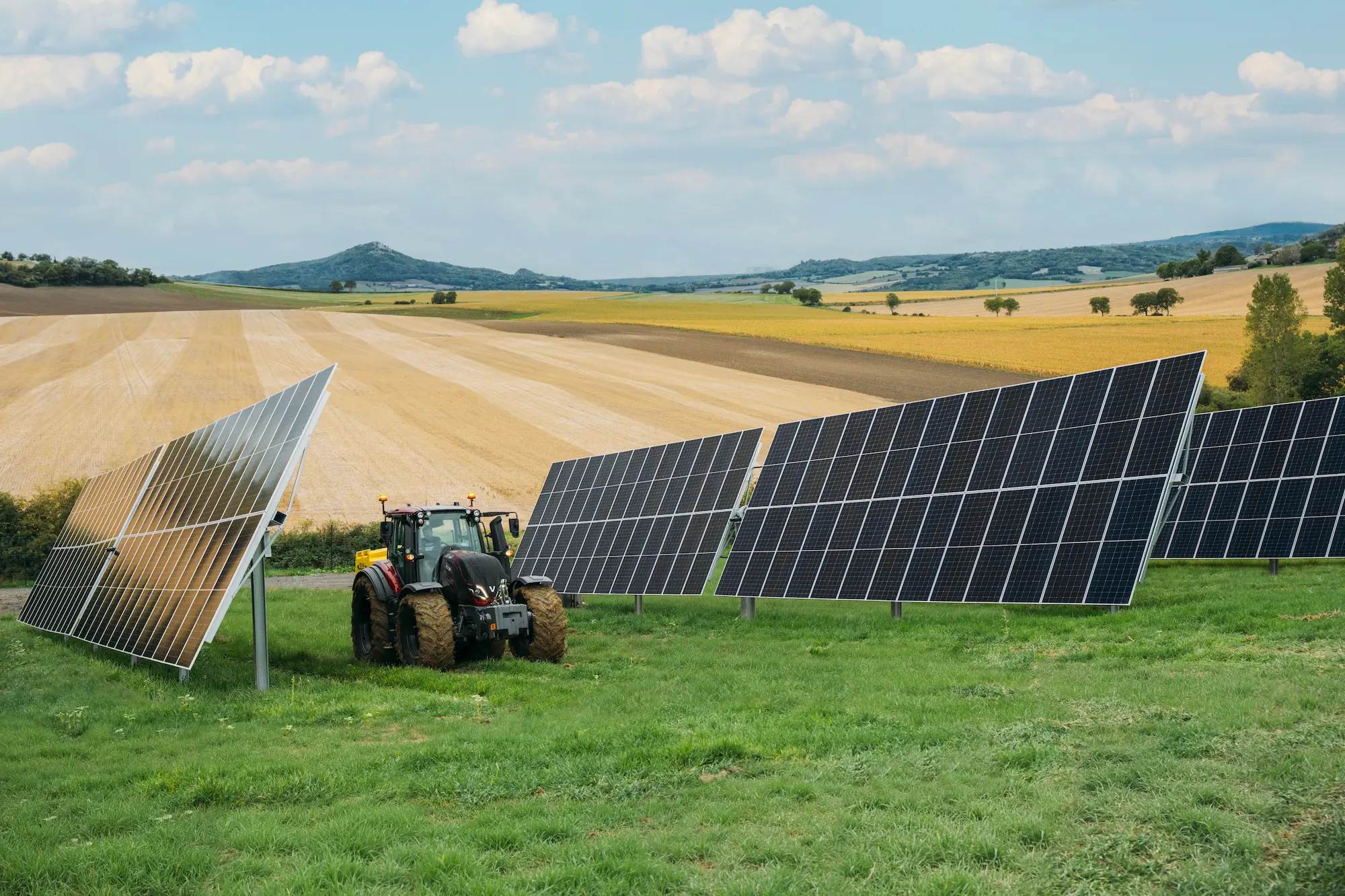
- Dynamic panels that generate partial and rotating shade that protects meadows, crops and animals
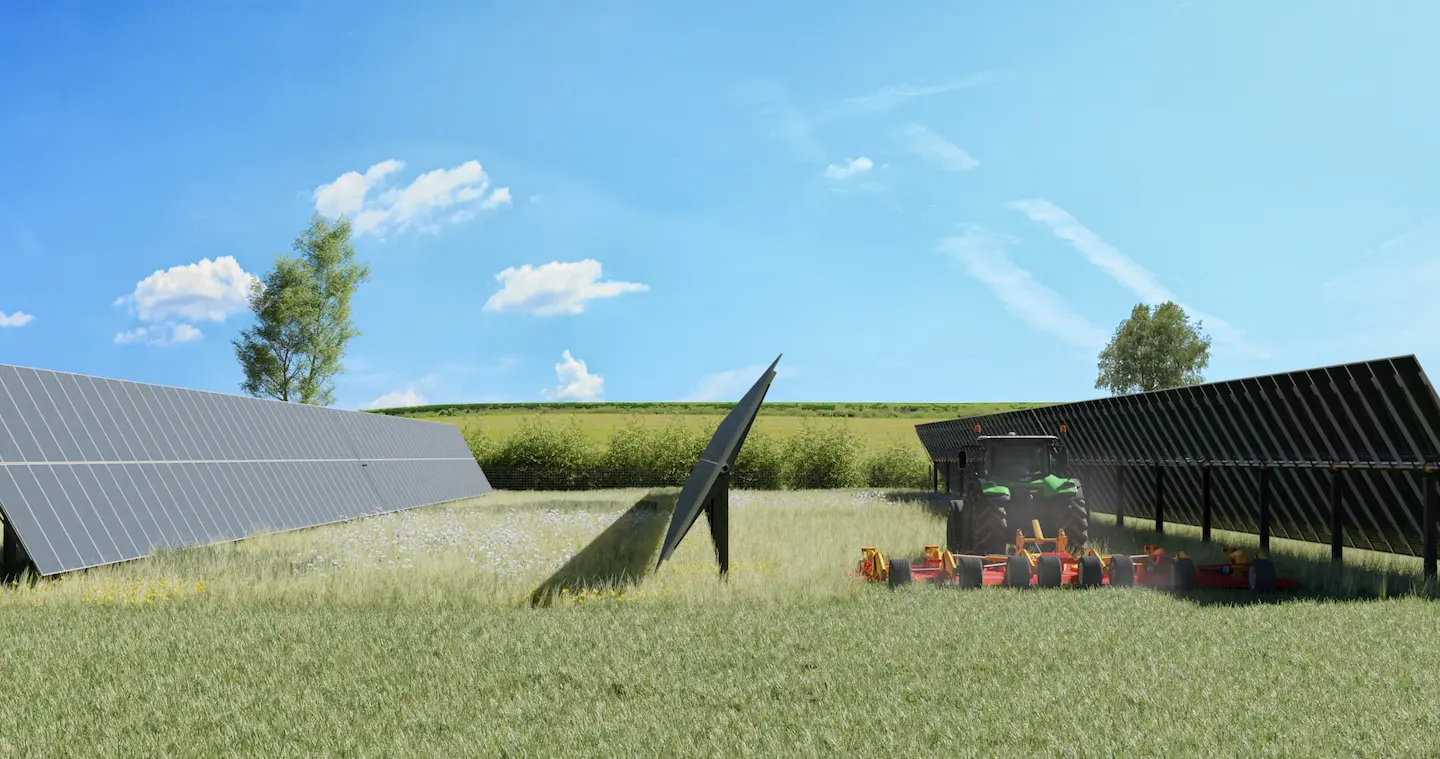
- Solution adapted to fallow land
- Low land footprint leaving more space for ecological management and the development of biodiversity
- Protection of the plot and its ecosystems against drought
Steps of your project

Land identification

Project development

Engineering and R&D

Financing, valuation & sale

Construction

Connection

Operation & maintenance
Results of our demonstration program
-1.4°C on average on the hottest days
+2°C on the coldest nights

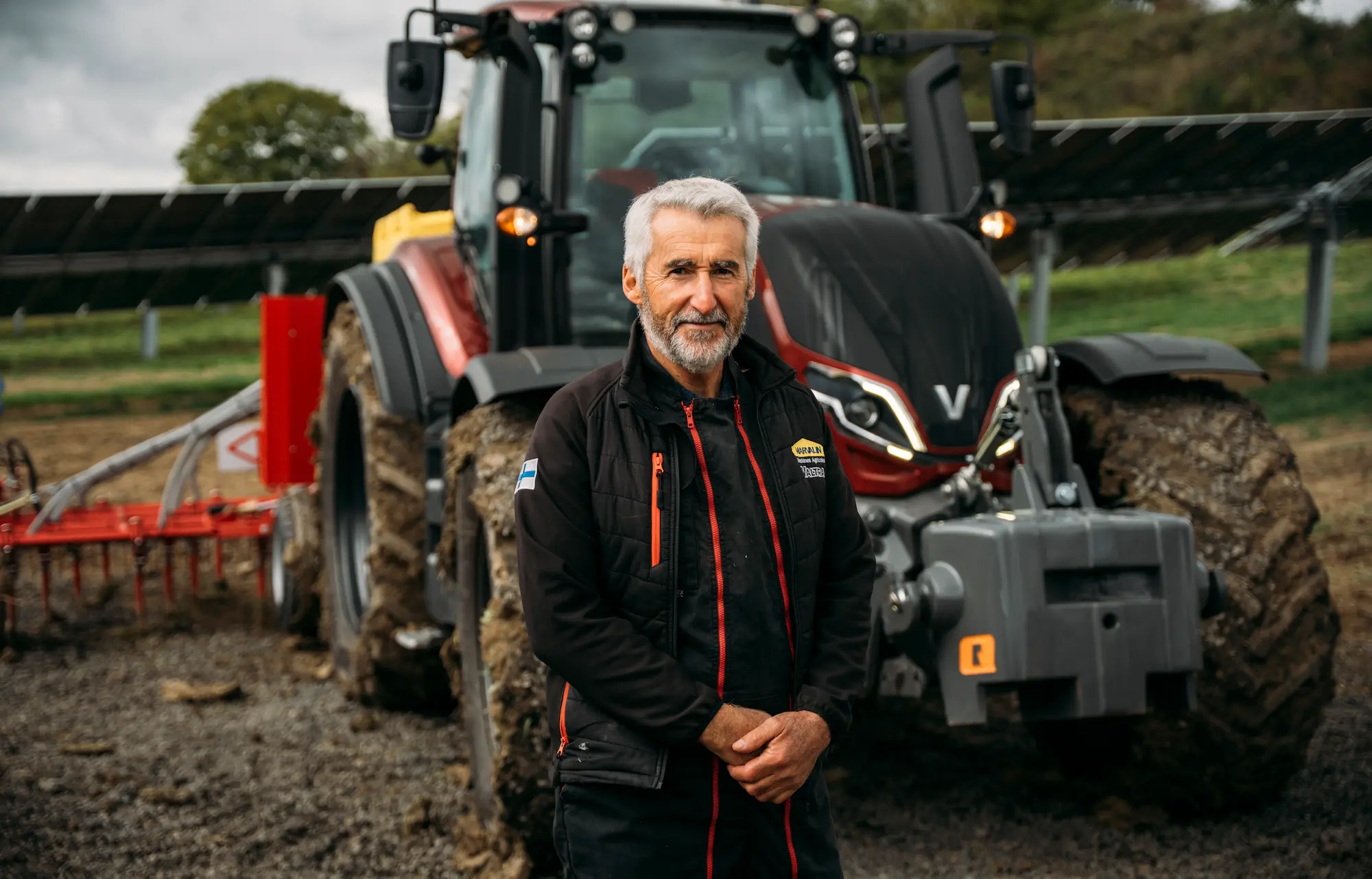
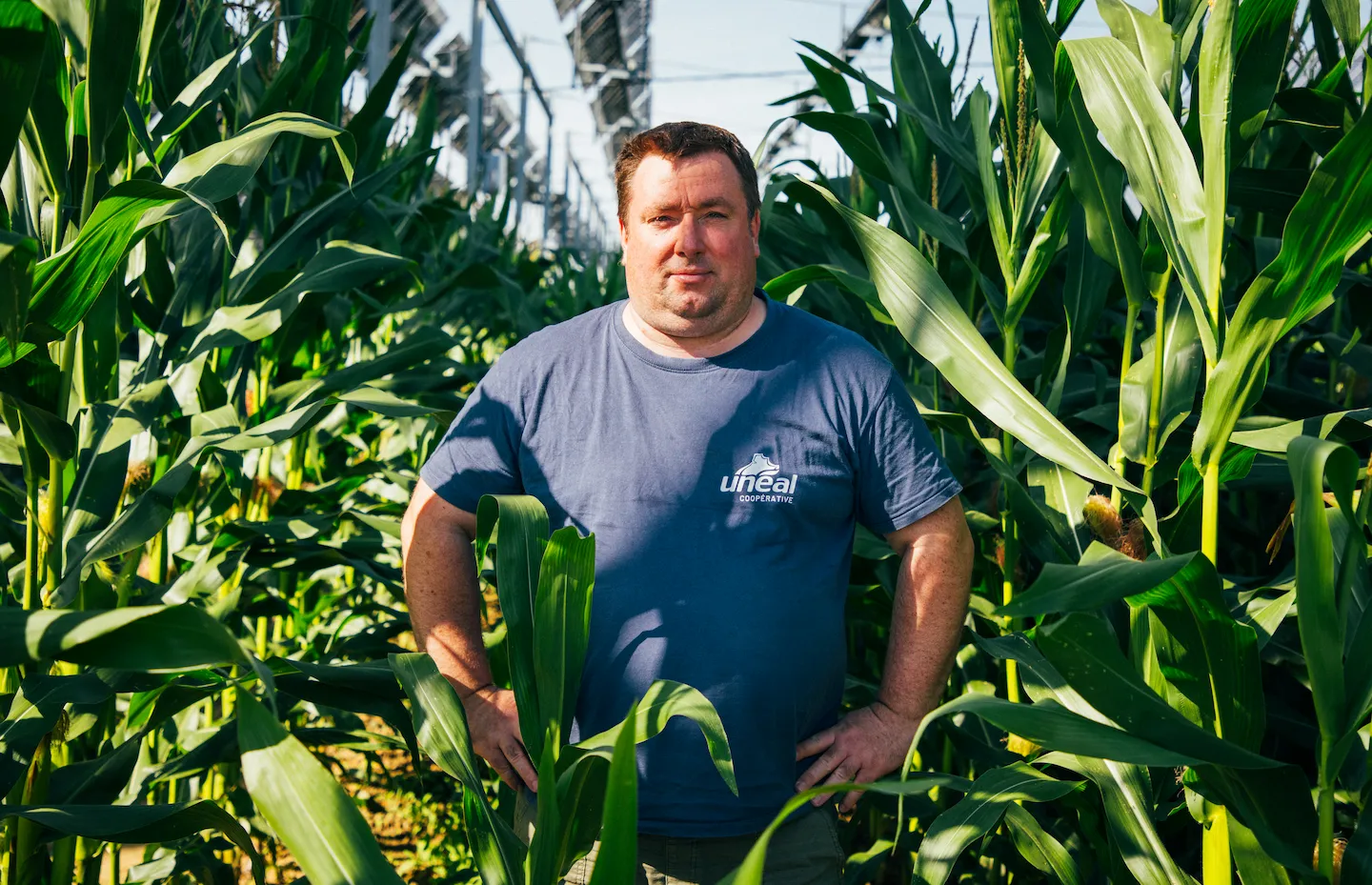
Agrivoltaics: our farmers are the best people to talk about it
.webp)
.webp)
Let's talk about your project
Our agricultural partners








Why choose us

Expertise

Proximity

Growth

Presence

Commitment

Innovation
FAQs
Agrivoltaics combines agricultural production with photovoltaic power generation on the same plot of land, while maintaining significant agricultural activity.
Art. L. 314-36.-I.-An agrivoltaic system is an electricity-generation facility that uses the sun’s radiant energy and whose modules are located on an agricultural plot where they contribute sustainably to the establishment, maintenance, or development of agricultural production.
II. -A system is considered agrivoltaic if it directly provides the agricultural plot with at least one of the following services, thereby guaranteeing an active farmer (…) significant agricultural production and a sustainable income derived therefrom:
1° Improvement of agronomic potential and impact;
2° Adaptation to climate change;
3° Protection against hazards;
4° Improvement of animal welfare.
The primary purpose of a ground-mounted solar power plant is to generate electricity. An agrivoltaic project addresses an agricultural need and remains compatible with farm operations.
The construction of our agrivoltaic and photovoltaic systems, as well as environmental studies, administrative and legal procedures, the maintenance of structures and their dismantling are fully covered by TSE. There are no investment costs associated with setting up the project for the farmer.
The legal framework pertains to airspace above the agricultural parcel and allows the agricultural lease to be maintained, subject to a legal analysis specific to each project.
Our teams will first review your needs and agricultural practices with you, to offer you the most suitable solution. We will then conduct a study of your plots to verify compatibility in terms of topography, zoning, access, distance to the grid, etc.
An annual rent, shared between the owner and the operator of the land, is paid for the entire duration of the project. The amount of this rent depends on the location of the land and its characteristics. In addition, TSE is committed to sharing the value created by paying a variable portion of the rent to the operator. This variable portion is based on a percentage of the revenue from the sale of electricity generated by the project.
The owner may want to keep the agrivoltaic structure at the end of the lease and thus become the owner. Otherwise, TSE will dismantle the structure at its own expense so that the plot can be rehabilitated. A collection and recycling organization will collect the panels and recycle them.
.webp)
.webp)
.webp)